

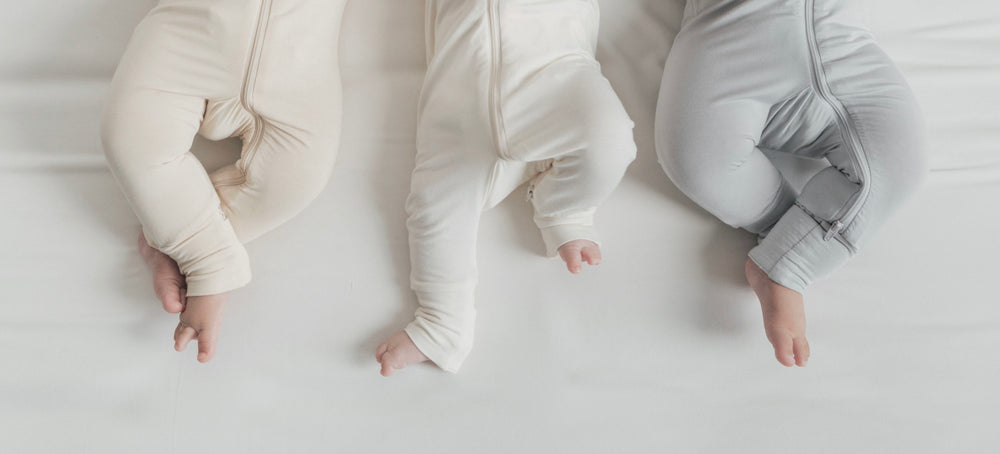
How to Pick the Right Fabric for Baby Clothes
Choosing the right fabric for your baby’s clothes is more important than it seems. Babies have delicate, sensitive skin that reacts easily to heat, friction, and synthetic materials. The right fabric keeps them comfortable, helps prevent rashes, and makes daily dressing simpler for parents.
For a detailed look at how to dress babies comfortably year-round, read Best Baby Kimonos for Singapore Weather.
At These Tiny Things, every piece — from the long sleeves kimono to the short sleeves kimono and sleeveless kimono — is thoughtfully made from buttery-soft bamboo fabric that is gentle, breathable, and safe for your little one’s skin.
Why Fabric Choice Matters

A baby’s skin is thinner than an adult’s, which means it absorbs moisture and heat quickly. Rough or synthetic fabrics can cause:
-
Rashes and redness from trapped heat
-
Itchiness due to friction
-
Discomfort from moisture build-up
-
Skin irritation from harsh dyes or chemicals
The best baby fabrics are soft, lightweight, and breathable to help babies stay comfortable throughout Singapore’s warm, humid days.
Top Fabrics for Baby Clothes
1. Bamboo Fabric
Bamboo is a favourite among parents in Singapore. It is:
-
Naturally breathable and temperature-regulating
-
Hypoallergenic and gentle on sensitive skin
-
Moisture-wicking to keep babies dry
-
Silky-soft to prevent irritation
-
Eco-friendly and sustainable
The bamboo kimono collection from These Tiny Things offers comfort, durability, and peace of mind for daily wear.
2. Cotton
Cotton is a classic and widely available choice for baby clothes.
-
Soft and comfortable for everyday use
-
Absorbs moisture well, keeping skin cool
-
Durable and easy to wash
-
Works best in lightweight weaves for tropical climates
- Choose organic cotton when possible, as it is gentler and free from harsh chemicals
3. Muslin
Muslin is known for being light and breathable, making it a great layering option.
-
Loose weave allows excellent airflow
-
Quick to dry after washing
-
Gentle on skin, though slightly rougher than bamboo
-
Ideal for swaddles, burp cloths, and light clothing
- May wrinkle easily and need frequent washing to maintain softness
4. Blended Fabrics
Some baby clothes use a mix of natural and synthetic fibres. While blends can be stretchy or durable, they are not always suitable for humid climates.
-
May include polyester or elastane for flexibility
-
Can trap heat and moisture against the skin
-
More prone to pilling and less breathable
- Always check the fabric label before buying, and choose blends with a higher natural fibre content
What to Avoid When Choosing Fabrics
-
Rough textures or thick seams that rub against the skin
-
Polyester or nylon, which trap heat and moisture
-
Clothes with strong dyes or printed coatings
-
Fabrics that shrink or stiffen after washing
Always choose natural materials tested for baby safety, such as those with OEKO-TEX® Standard 100 certification used by These Tiny Things.
How to Test If a Fabric Is Baby-Friendly
-
Feel the fabric: it should be smooth and soft, not scratchy.
-
Stretch gently: good fabric keeps its shape without stiffness.
-
Hold to light: breathable materials let light and air pass through easily.
-
Check labels: avoid synthetic percentages higher than 10%.
Our Recommendation: Bamboo for Everyday Comfort
Bamboo fabric is ideal for Singapore’s tropical weather. It keeps your baby cool in the heat, cosy indoors, and comfortable during sleep. The gentle fibres make it perfect for daily essentials such as:
-
Long sleeves kimono for air-conditioned rooms
-
Short sleeves kimono for daily play
-
Sleeveless kimono for hot afternoons
Conclusion
Your baby’s comfort begins with the fabric you choose. Bamboo offers the perfect mix of softness, breathability, and safety — a thoughtful choice for every Singapore mum.
Discover the full Kimono Collection from These Tiny Things and find the perfect outfit to keep your baby cool, cosy, and happy all day.
To learn more about how our bamboo kimonos adapt perfectly to Singapore’s climate, visit Best Baby Kimonos for Singapore Weather.
Follow us for more babywear tips and updates:


